Buzzing, rattling, scraping, clicking, or a new loud hum comes from the freezer. Freezer temperatures can change slowly, so observation and measured temperature are more useful than guessing from one item.
Protect food first
Disconnect the appliance if the noise is accompanied by a burning smell, sparking, loss of cooling, or a tripping breaker. Do not remove panels while the freezer is powered.
Common causes
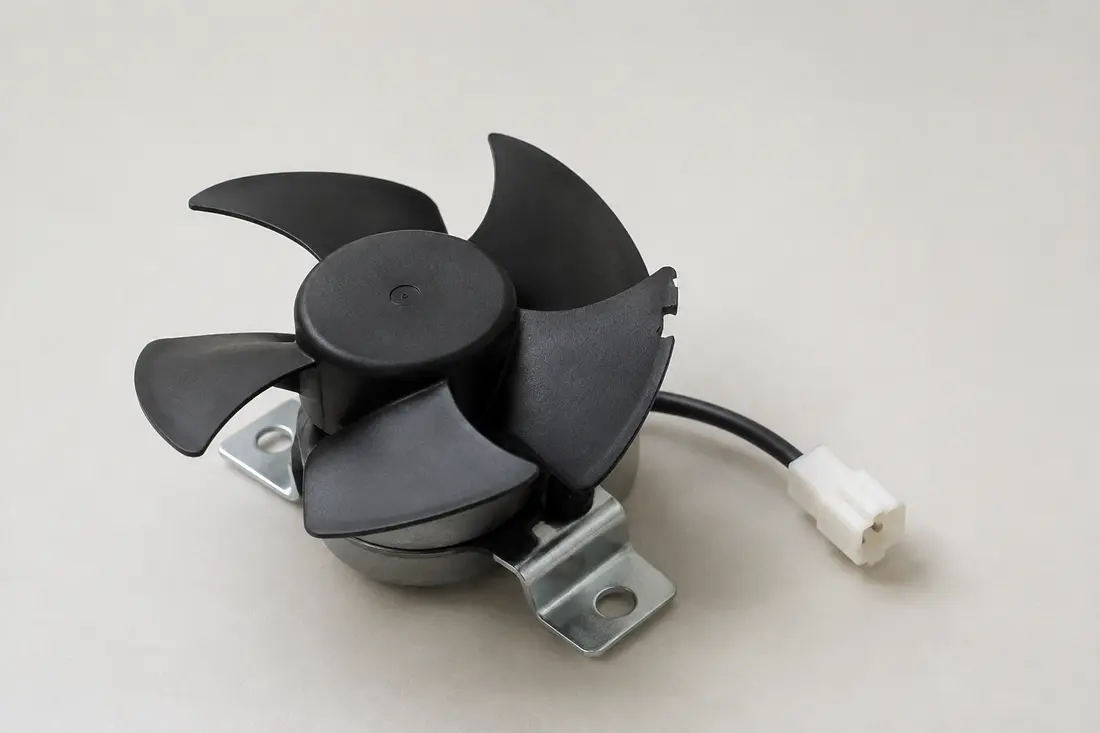
- The evaporator fan is contacting frost or a loose panel
- A condenser fan or drain pan is vibrating
- Tubing or cabinet components are resonating
- The compressor or its start components are struggling
Several faults can create the same symptom. A diagnosis should identify the failed system before a part is recommended.
How a technician diagnoses the problem
A technician identifies the sound location and when it occurs, then checks fans, frost, mounting points, tubing clearance, compressor starts, and operating current. Normal refrigerant flow and expansion sounds are separated from mechanical contact or electrical start problems.
Any sealed-system work requires appropriate refrigeration tools and procedures. The findings and an upfront estimate are explained before approved work begins.
What to note before the visit
Record a short audio or video if safe, and note whether the noise happens during startup, steady cooling, door opening, or defrost. Keep the model and serial number available and avoid resetting controls repeatedly, because the operating history can help diagnosis.
Repair or replace?
Repair value depends on the failed component, freezer age and condition, parts availability, food-loss risk, and whether the fault is in an accessible fan or control versus the compressor or sealed system. A measured diagnosis gives you the information needed to compare repair with replacement.