When a dryer makes squealing, scraping, or rumbling noises, the symptom can come from the heating, airflow, drive, sensing, power, or control system. Replacing a part before the actual cause is tested can leave the original problem unresolved.
What This Dryer Symptom May Mean
Depending on the dryer design and when the problem occurs, possible causes include:
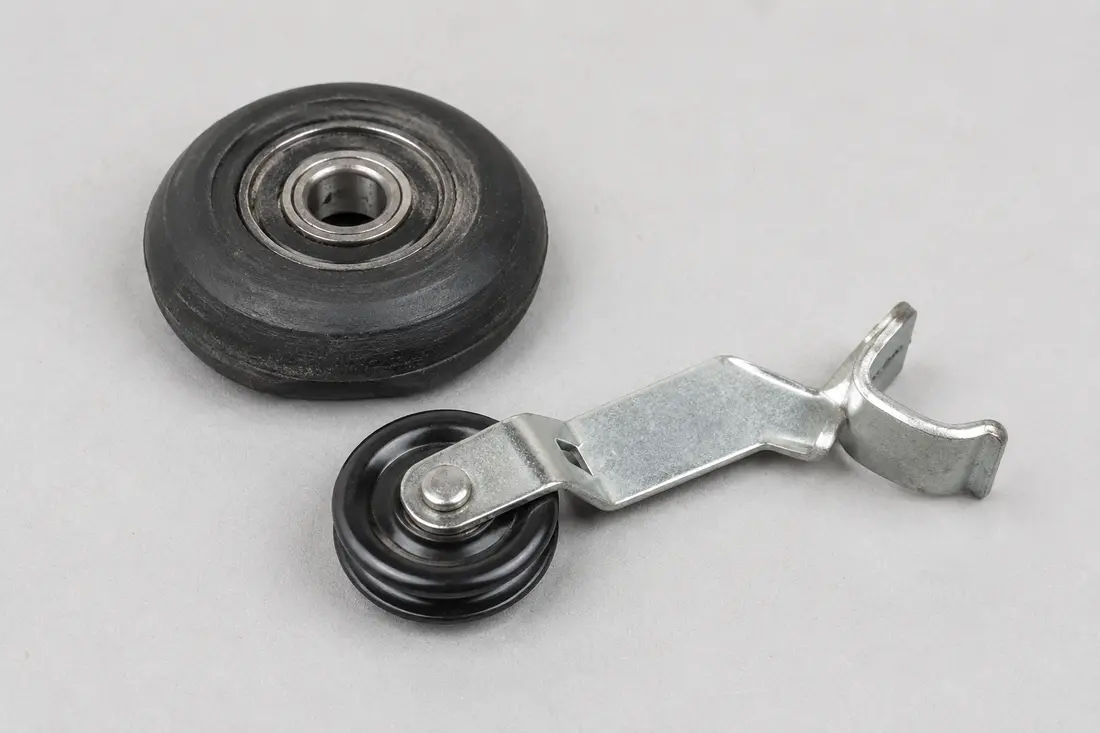
- worn drum rollers or support wheels
- a worn idler pulley or drive belt
- bearing, glide, seal, or drum-support wear
- a foreign object contacting the drum or blower
Electric, vented, ventless, and heat-pump dryers use different components. The complete model number is required to identify the correct system and technical information.
How the Dryer Is Diagnosed
Professional diagnosis may include checking:
- when the sound occurs and whether it changes with load
- rollers, idler, belt, and drum supports
- blower wheel and motor operation
- evidence of rubbing, metal contact, or foreign objects
Airflow and temperature must be considered together. A dryer can produce heat and still dry poorly if air cannot move correctly through the appliance and exhaust system.
Information to Prepare Before Service
- the complete model and serial numbers
- whether the dryer is electric, ventless, or heat pump
- the time before the symptom appears
- any displayed error code
- a short recording if the complaint involves noise
Do not operate the dryer with panels removed or bypass a fuse, thermostat, door switch, or other safety device.
Repair or Replacement Decision
The decision depends on the failed system, internal condition, airflow, parts availability, labour, appliance age, and safe access. Findings and an estimate should be explained before approved work begins.