The breaker opens when a zone is selected, after heating begins, or even while the cooktop is idle. Because cooktops combine high heat with high-current electrical parts—and some models also involve gas—the appliance type must be identified before service.
Common causes
- An element, induction module, filter, or wiring has shorted
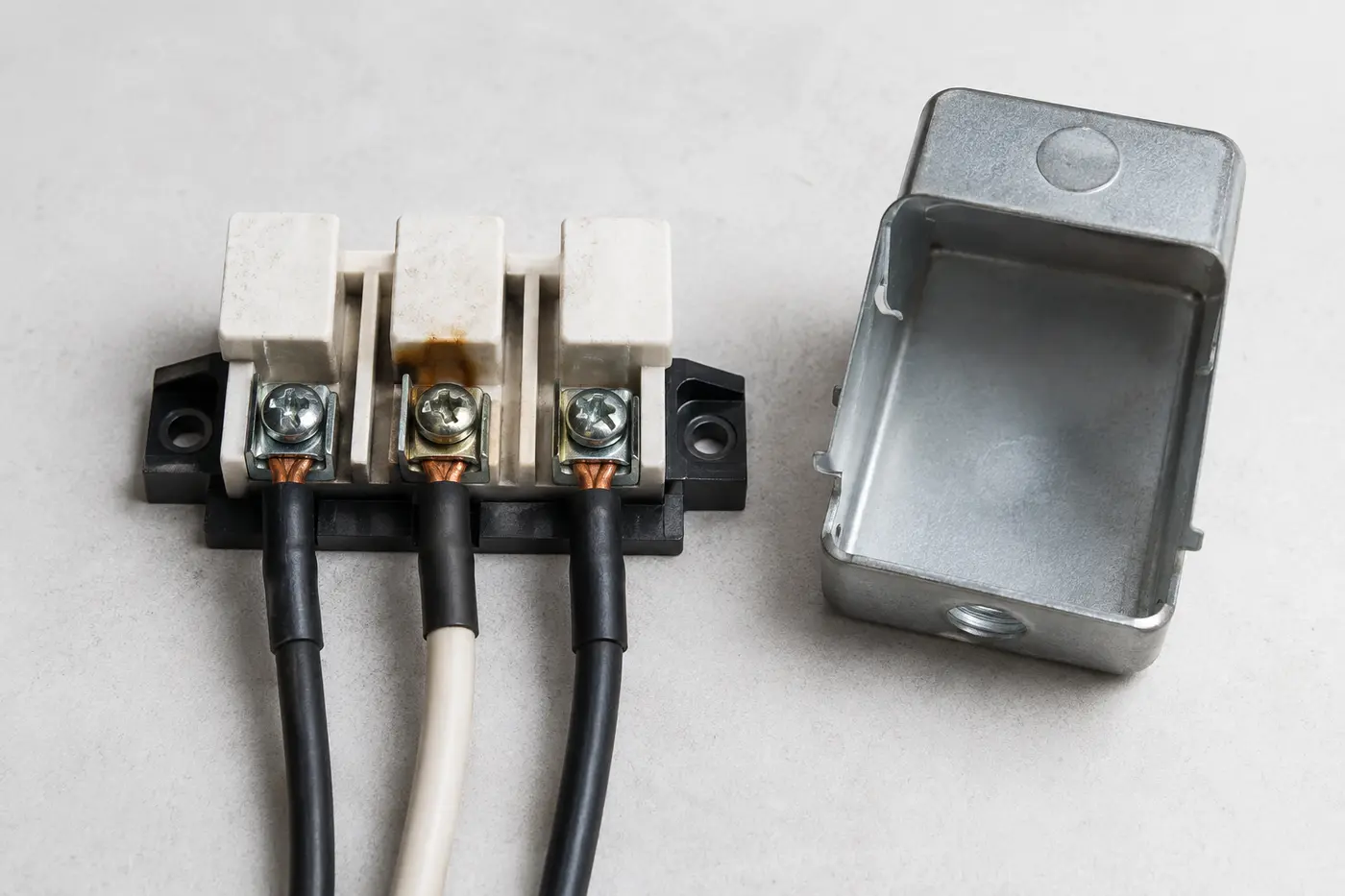
- A terminal block or connection is loose and heat-damaged
- Moisture has entered an electrical area after a spill
- The supply circuit, breaker, or installation connection has a fault
How the problem is diagnosed
A technician records when the trip occurs, inspects terminals and wiring, and tests affected components for insulation failure or a short. The cooktop load and supply circuit are also checked so an appliance fault is not confused with an installation problem.
This article concerns electric cooktops and their electrical supply. The diagnosis and an upfront estimate are explained before approved work begins.
Information to prepare
Note which zone or function triggers the trip, whether there was a recent spill, and whether a pop, odour, or visible flash occurred. Keep the model and serial number available; they are often printed on the underside or in the installation documentation.
Repair or replace?
The decision depends on the failed control or element, parts availability, glass condition, installation access, and appliance age. A serviceable switch or cooking zone may justify repair, while cracked glass, unavailable electronic modules, or multiple heat-damaged components can make replacement more practical.