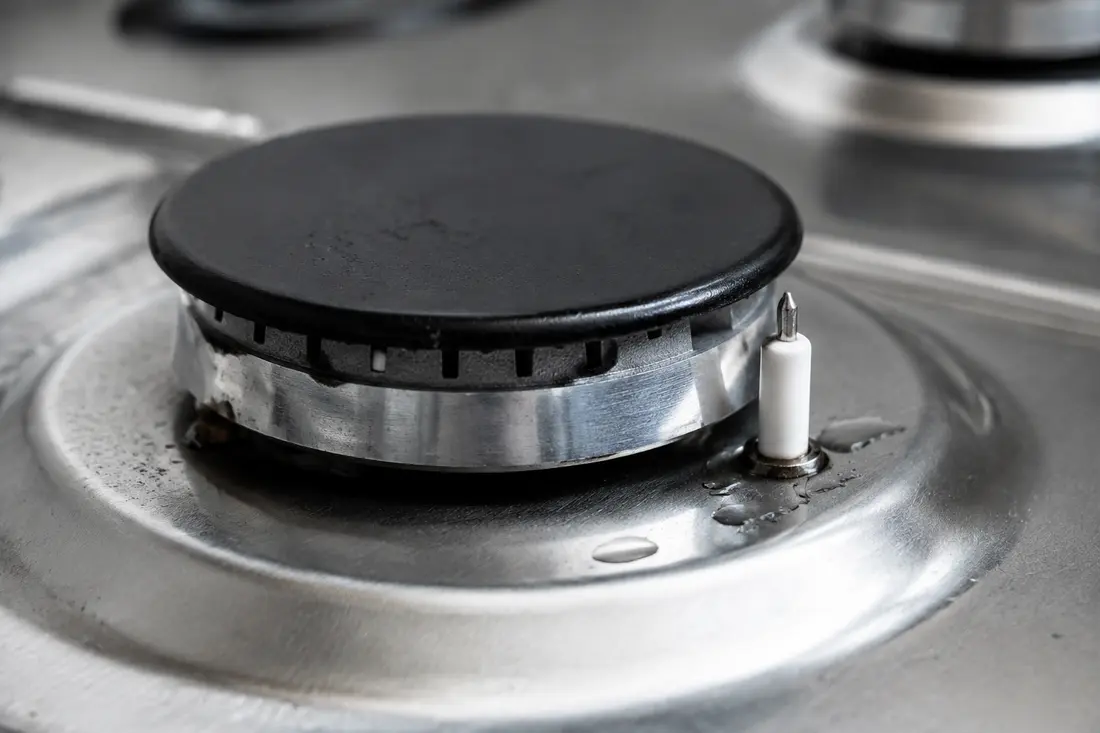
When a range or stove spark continues after ignition, the problem may involve a heating element, switch, power supply, wiring, sensor, ignition system, or electronic control. The symptom must be tested before a specific repair is recommended.
What This Range or Stove Symptom May Mean
Possible causes include:
- moisture or contamination around an ignition switch or electrode
- a misaligned or damaged electrode
- a switch that remains electrically closed
- damaged ignition wiring or a spark-module fault
If gas odour is present, turn the appliance off, avoid electrical switches or flames, leave the area, and follow the gas utility’s emergency guidance.
Gas-related diagnosis and repair require the appropriate certification and must be confirmed as available before booking. Appliance Repair Pro’s standard published service scope covers electric household appliances.
Ranges combine several high-current and heat-producing systems. A surface problem and an oven problem can have separate causes even when they occur on the same appliance.
How the Problem Is Diagnosed
Professional diagnosis may include checking:
- which burner controls trigger the clicking
- electrode position and visible condition
- switch feedback and wiring
- spark-module operation and evidence of moisture or contamination
The complete model number is required because switches, elements, controls, and ignition arrangements vary substantially between models.
Information to Prepare Before Service
- the complete model and serial numbers
- which burner, element, or oven function is affected
- the control setting when the symptom appears
- any error code, sound, smell, or breaker behaviour
- photos of the control, element, or visible damage
Do not remove panels, bypass controls, or continue using a component that overheats, sparks unexpectedly, smells electrical, or trips the breaker.
Repair or Replacement Decision
The practical option depends on the failed circuit, parts availability, range age and condition, labour, previous overheating, and safe access. Findings and an estimate should be explained before approved work begins.