When an oven temperature is too low or too high, the fault may involve the heating circuit, temperature sensing, power supply, door system, wiring, or electronic controls. Testing is necessary before a specific part is recommended.
What This Oven Symptom May Mean
Possible causes include:
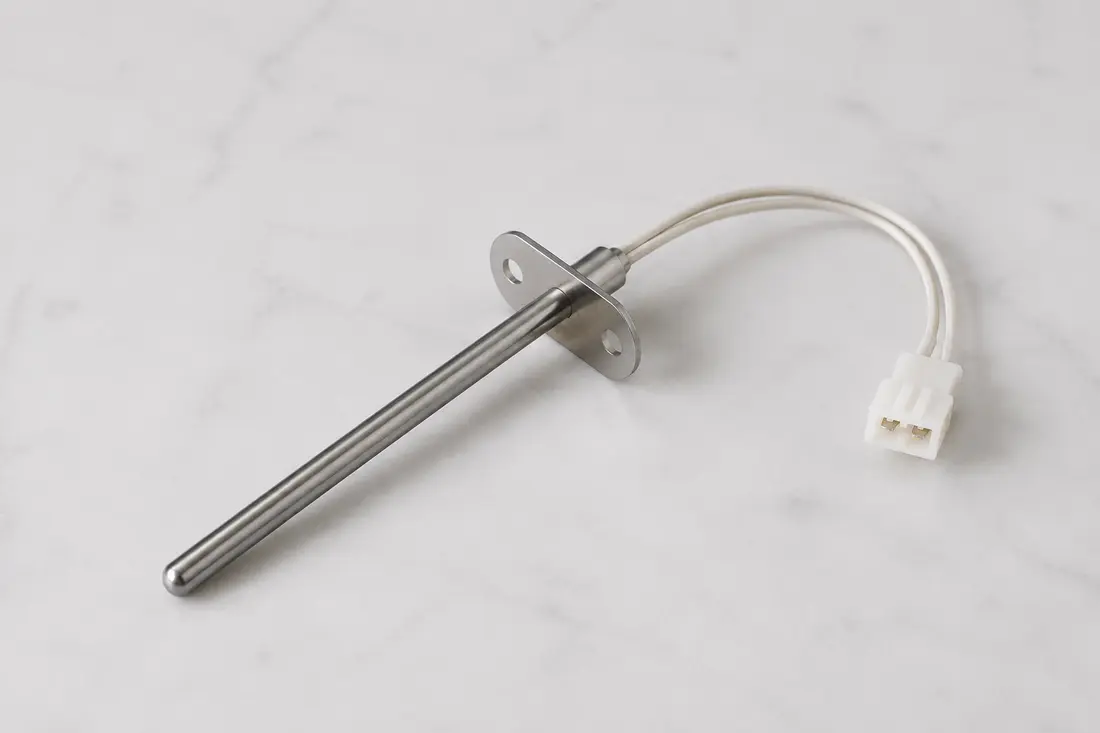
- an inaccurate temperature sensor
- a heating element that cycles incorrectly or has partially failed
- air leakage, door-seal trouble, or calibration conditions
- a relay or electronic-control fault
Electric ovens may use bake, broil, convection, hidden elements, multiple sensors, and electronic relays. Similar-looking models can use different control and heating arrangements.
How the Oven Is Diagnosed
Professional diagnosis may include checking:
- actual cavity temperature over a complete cycle
- sensor resistance and placement
- element operation and door sealing
- calibration settings, wiring, and control output
Temperature complaints should be evaluated over a controlled heating cycle. A single quick reading does not show how the oven heats, cycles, and recovers.
Information to Prepare Before Service
- the complete model and serial numbers
- the selected mode and temperature
- the displayed error code, if any
- whether the problem affects bake, broil, convection, or every mode
- photos of the display or visible heat damage
Do not remove panels, bypass thermal protection, or touch heating and high-voltage components.
Repair or Replacement Decision
The practical option depends on the failed circuit, parts availability, oven age and condition, labour, previous overheating, and safe access. Findings and an estimate should be explained before approved work begins.