
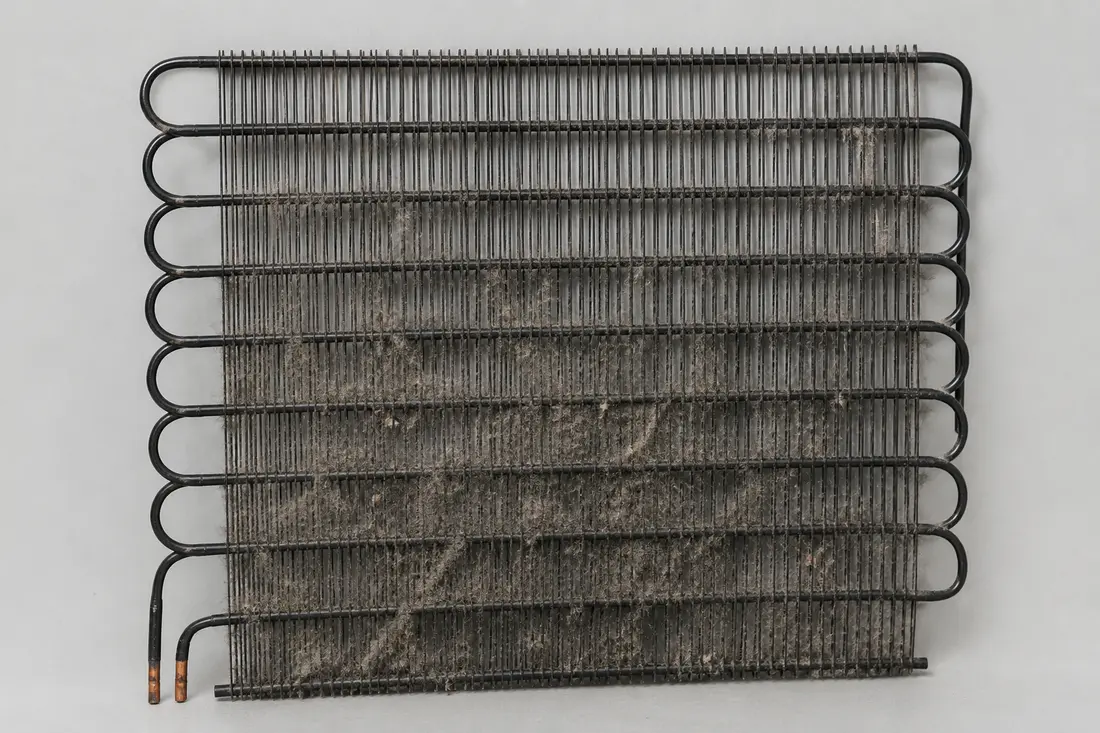
When a refrigerator fresh-food section is warm, the visible symptom may involve airflow, defrost, sensing, controls, compressor operation, or the sealed refrigeration system. The same complaint can have different causes on different models.
What This Refrigerator Symptom May Mean
Possible causes include:
- restricted airflow between the freezer and fresh-food compartment
- a failed evaporator fan or damper
- excess frost caused by a defrost-system problem
- incorrect thermistor feedback, a control fault, or a sealed-system performance problem
Temperature readings should be compared between the fresh-food and freezer compartments. One area being cold does not prove that every refrigeration system is operating correctly.
How the Refrigerator Is Diagnosed
Professional diagnosis may include checking:
- actual temperatures in both compartments
- evaporator and condenser fan operation
- frost pattern, defrost components, and air passages
- thermistors, damper commands, compressor operation, and sealed-system indicators
Sealed-system conclusions require evidence such as the frost pattern, compressor behaviour, temperatures, and model-specific test results. A sealed-system repair should not be recommended from a symptom alone.
Information to Prepare Before Service
- the complete model and serial numbers
- temperatures or warning messages from both compartments
- when the problem began and whether it is intermittent
- photos of frost, leakage, gasket condition, or the display
- whether the refrigerator was recently moved, unplugged, or left open
Do not remove electrical covers or puncture, heat, or alter refrigeration tubing. Protect food according to safe-storage guidance when temperatures are above the normal range.
Repair or Replacement Decision
The practical option depends on the failed system, refrigerator age and condition, parts availability, sealed-system scope, labour, previous repairs, and safe access. Findings and an estimate should be provided before approved work begins.